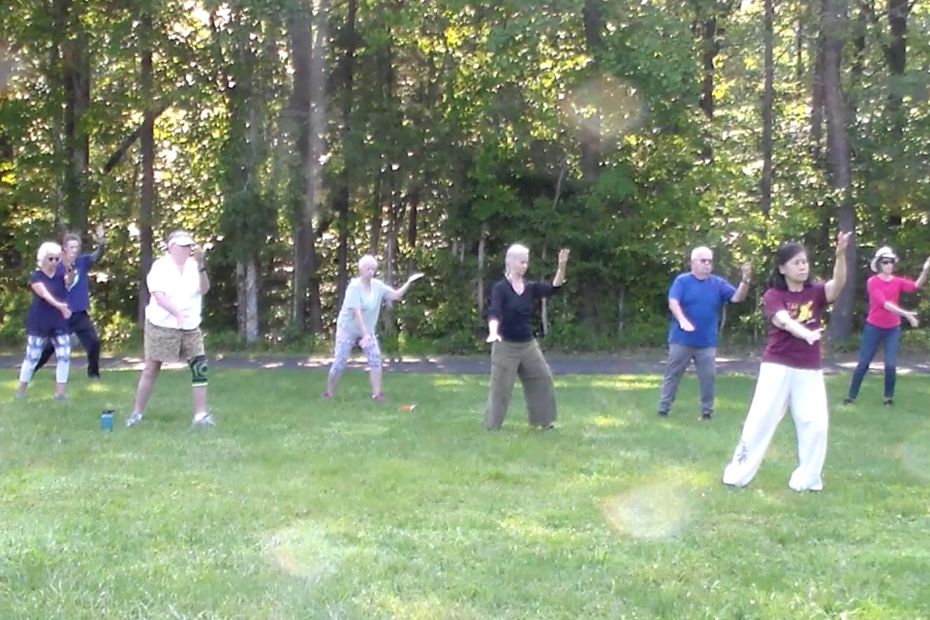
Tai Chi is a form of exercise that combines body postures, gentle movements, deep breathing, and mental calm. By bringing self-awareness together with adjustments to posture and movement, mindful breathing, and a serene mind, practitioners can foster a state that activates the body’s natural self-regulating and self-healing abilities. This approach supports the balanced release of natural neurohormones and other processes involved in recovery and health.
Practicing Tai Chi regularly can improve balance, strength, flexibility, and endurance; support bone health and increase bone mineral density; help prevent and manage chronic conditions, including chronic obstructive pulmonary disease, Parkinson’s disease, high blood pressure, and chronic heart failure; and enhance cognitive function and memory. It may also ease anxiety and depression and have a notably positive effect on cardiopulmonary health.
Because Tai Chi is performed slowly, it may seem like an easy exercise for seniors. However, its many turns, weight shifts, and whole-body coordination can be challenging for older adults with physical limitations. Tai Chi forms link many movements together in a slow, flowing sequence. To gain the greatest benefits from practice—including reaching a state that activates the body’s natural self-regulatory and self-healing abilities—it is important to remember the movements. This allows you to focus on your posture, movement, and breathing. For many seniors, remembering the sequence is one of the biggest obstacles.
How can you overcome these challenges, learn and practice Tai Chi, and enjoy its health benefits?
Here’s one way to address the challenge of forgetting what you learned in class. Your instructor may break each step of the movements into several smaller sub-steps to make it easier to understand and learn, as shown in this video. Start by learning the footwork. Once it feels natural and comfortable, learn the hand movements, then combine them. Try to remember each step by recalling its smaller sub-steps, and practice it repeatedly. With time, you’ll remember the movements of the step and feel comfortable performing it. Then you can move on to the next step. Be patient, stay calm, and believe in yourself. By progressing one step at a time, you may be surprised by how far you can go. It’s an excellent exercise for your memory. Over time, you’ll find it much easier to remember what you’ve learned.
For people with physical limitations, learning and practicing Qigong is an excellent place to start. Qigong offers health benefits similar to those of Tai Chi, but it’s much easier to practice. In the book “Qigong for Better Mind and Body Health“, you can learn why and discover how to learn and practice Qigong. Here are links to free samples of the book in paperback and audiobook formats.