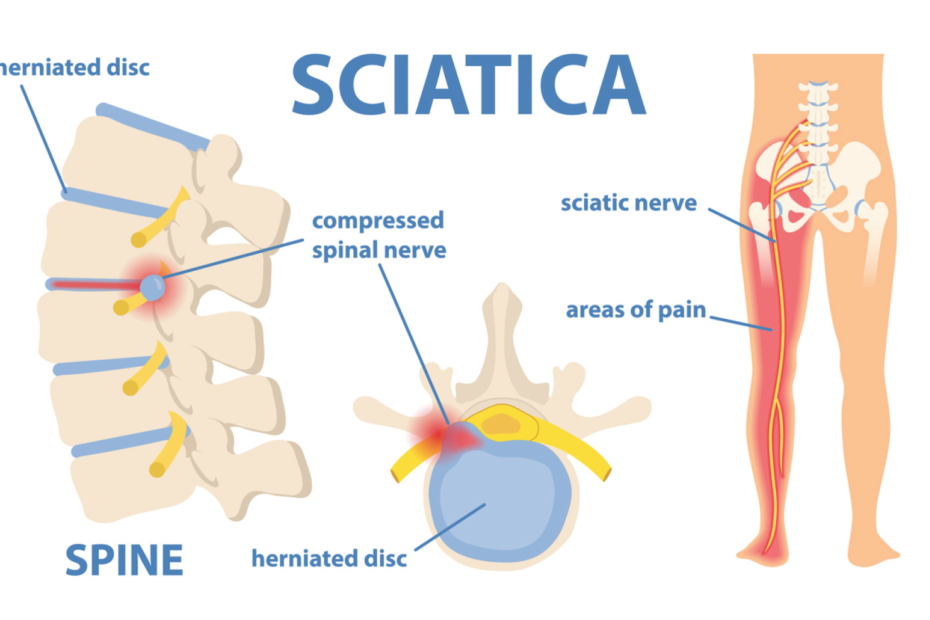
Did you know that Qigong can serve as a complementary therapy to ease sciatica pain? By regulating qi and blood, relaxing muscles, and clearing meridians, some movements in Qigong can alleviate pain caused by nerve compression.
The principles of Qigong in alleviating sciatica pain
Qigong exercises can:
- Enhancing Qi and blood flow: Qigong, by synchronizing breathing with body movements, encourages improved local blood circulation, which helps decrease the buildup of inflammatory substances and eases nerve root swelling.
- Easing muscle tightness: Sciatica frequently comes with stiffness in the lower back and hip muscles. Qigong stretching routines (like “reaching for the feet with both hands” and “twisting the waist and hips”) can help relax the piriformis muscle, erector spinae muscles, and other regions, lessening the strain on the sciatic nerve.
- Unblocking meridians: According to Traditional Chinese Medicine, pain is often linked to obstructions in the bladder and gallbladder meridians. Engaging in Qigong can activate acupoints such as Huan Tiao and Wei Zhong, aiding in the restoration of meridian flow.
Targeted Exercise Demonstrations
- Static Qigong exercises:
Stand with feet shoulder-width apart, knees slightly bent, and hands gently held in front of the abdomen, maintaining a straight spine. Combine with abdominal breathing, focusing your attention on the painful area, for 10-15 minutes each time, to help relax the nerves.
- Guided Stretching Exercises:
Supine Leg Raises: Lie down flat and gradually lift the affected leg to a 30-degree angle, holding it for 5 seconds before lowering it back down. Repeat this 5-8 times.
Side Hip Swings: While lying on your side, gently swing your hip joint, ensuring the range of motion creates a mild stretching feeling, steering clear of any excessive force.
- Dynamic Qigong Exercises:
Refer to the “Hands Touching Feet to Strengthen Kidneys and Waist” exercise from the Ba Duan Jin (Eight Pieces of Brocade), gently stretching the sciatic nerve pathway through movements such as bending and twisting the body.
Exercise Precautions
- Intensity: Avoid large twisting and squatting movements during acute episodes; Limit exercise to a slight feeling of soreness or tightness, and stop immediately if radiating pain occurs.
- Gradual Progression: Initially, each exercise session should not exceed 20 minutes, and the range of motion should be gradually increased from small to large, to avoid muscle strain.
- Environment and Clothing: Choose a flat and well-ventilated area, wear loose clothing, and pay attention to keeping the waist and legs warm before and after exercise.
In conclusion, Qigong, with its gentle physical movements and mental focus, can assist in reducing sciatica symptoms. However, it necessitates consistent practice, correct techniques, and should be combined with contemporary medical treatments. Patients are advised to first determine the root cause (like lumbar spine issues or piriformis syndrome) before selecting particular Qigong exercises, to prevent worsening their condition through random practice.
If you’re interested in exploring more about Qigong, and some commonly used acupuncture points and meridian systems, you may want to check out the book “Qigong for Better Mind and Body Health”. Here is a sample of the book.